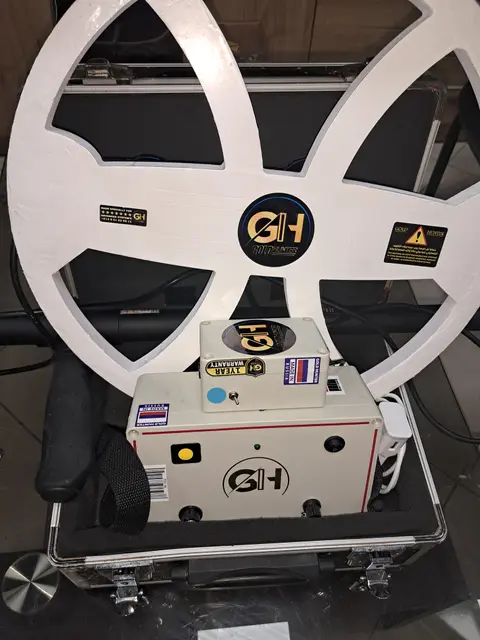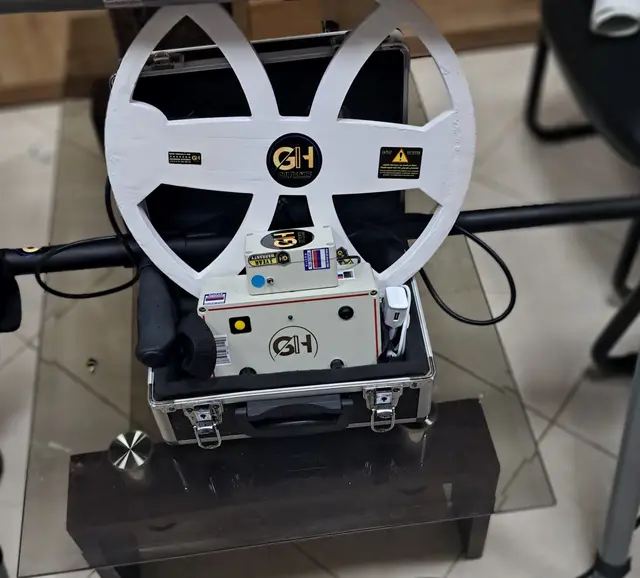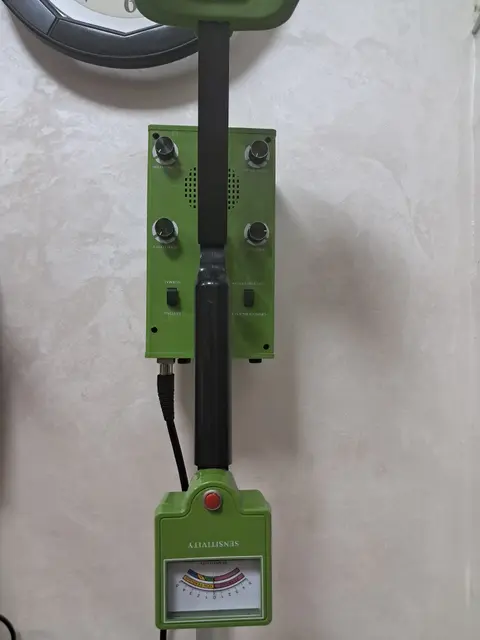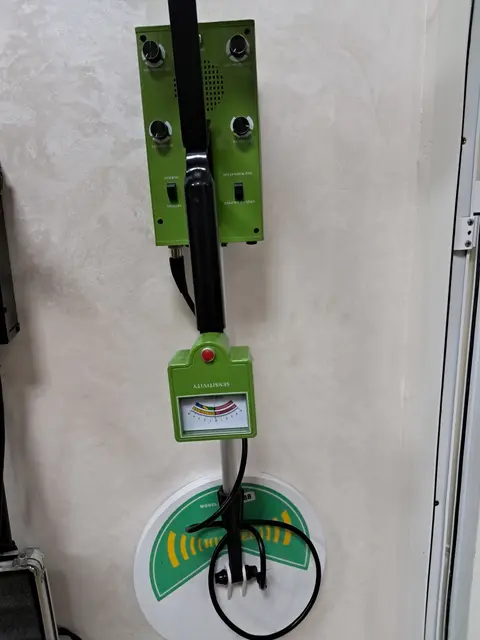
Almost every conventional metal detector uses one of two principles: very low frequency (VLF) or pulse induction (PI). Both detect metal through electromagnetic induction, but they do it in different ways, and that difference decides where each one shines.
The common principle: induction
A coil carrying an electric current creates a magnetic field. When that field meets a metal object, it induces small electric currents in the metal, called eddy currents. These currents create their own magnetic field, which the detector senses. The strength and behaviour of that response depend on the size, shape and conductivity of the metal, and on its distance from the coil.
How a VLF detector works
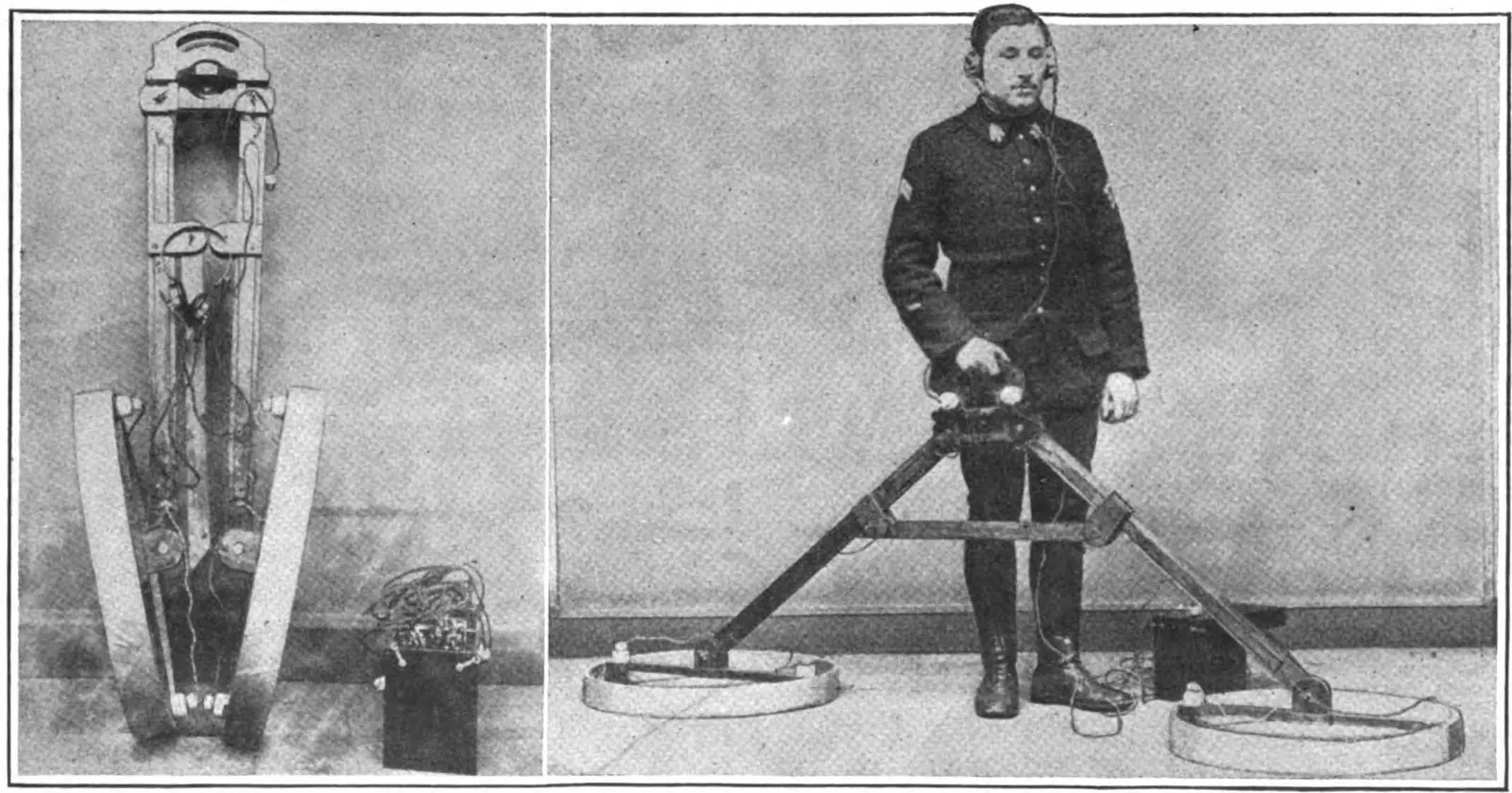
A VLF detector sends a continuous alternating signal through a transmit coil, at a fixed frequency, typically somewhere between a few kilohertz and a few tens of kilohertz. A second winding, the receive coil, is arranged so that it hears almost nothing unless a conductive or magnetic object disturbs the field.
When a target is present, the returned signal is delayed slightly, a phase shift. Iron, gold, silver and copper each shift the phase differently. This is what allows a VLF to:
- show a target ID number or category on the screen;
- discriminate, meaning ignore iron or foil while still signalling coins or jewellery;
- give different tones for different metals.
Frequency matters
- Higher frequencies (around 18 kHz and above) are more sensitive to small, low-conductivity targets such as small gold nuggets and thin jewellery.
- Lower frequencies (around 5 to 10 kHz) favour larger and highly conductive targets such as silver and copper coins, and usually reach a little deeper on them.
- Multi-frequency detectors transmit several frequencies at once and combine the results, which makes them versatile and more stable on wet beaches.
The weakness of VLF: the ground
Soil is not neutral. Iron oxides such as magnetite, and salts dissolved in water, respond to the VLF field. On mineralised ground this response can be far stronger than a small target. VLF detectors therefore need a ground balance setting, explained in our article on mineralised soil. When the ground is very hot, even a well-balanced VLF loses depth and becomes noisy.
How a pulse-induction detector works
A PI detector sends short, powerful pulses of current through its coil, then switches off. When the pulse stops, the magnetic field collapses and eddy currents in nearby metal decay slowly. The detector listens during that decay.
The trick is timing. The signal from mineralised ground and from salt water dies away very quickly, while the signal from a metal object lasts longer. By starting to measure after a short delay, a PI detector ignores most ground signals. This gives it three strong advantages:
- Stable behaviour on mineralised ground, including ironstone and red soils.
- Excellent performance on wet beaches and in salty soil.
- Good depth on medium and large targets, especially with large coils.
The weaknesses of PI
- Limited discrimination. Most PI detectors cannot reliably tell iron from gold, so you dig more iron.
- Very small targets can be missed if the delay is too long, although modern gold PI detectors are designed to reduce this.
- Weight and battery use are generally higher.
Side-by-side comparison
| VLF | Multi-frequency | Pulse induction | |
|---|---|---|---|
| Discrimination and target ID | Very good | Very good | Weak |
| Mineralised ground | Difficult | Better | Excellent |
| Wet beach and salt | Difficult | Good | Excellent |
| Small gold | Excellent at high frequency | Good | Good to very good (gold models) |
| Depth on large targets | Good | Good | Very good |
| Weight and price | Light, affordable | Medium | Heavier, often more expensive |
Which one should you choose?
- You search for coins, jewellery and relics in parks, fields and beaches: a multi-frequency VLF is the most versatile choice.
- You search for small gold in moderate ground: a dedicated high-frequency VLF gold detector.
- You search for gold in heavily mineralised ground, or for deeper targets: a PI detector, and accept digging more iron.
- You search for large objects several metres deep, or for cavities: neither is ideal on its own; look at ground-penetrating radar and 3D imaging.
Summary
VLF detectors read the character of the metal and let you skip junk; PI detectors read through difficult ground and reach deeper on larger targets. Many experienced prospectors own one of each. If you tell us your ground and your target, we can tell you which one will make the difference for you.