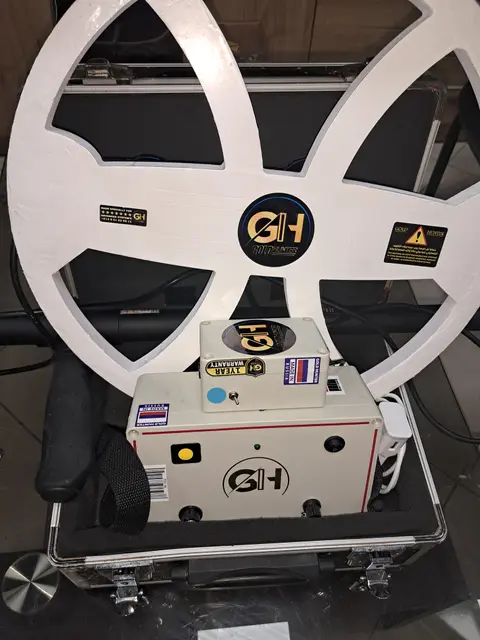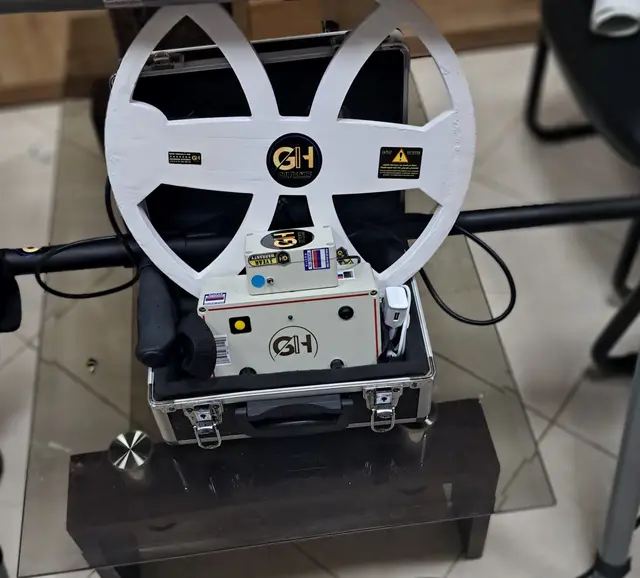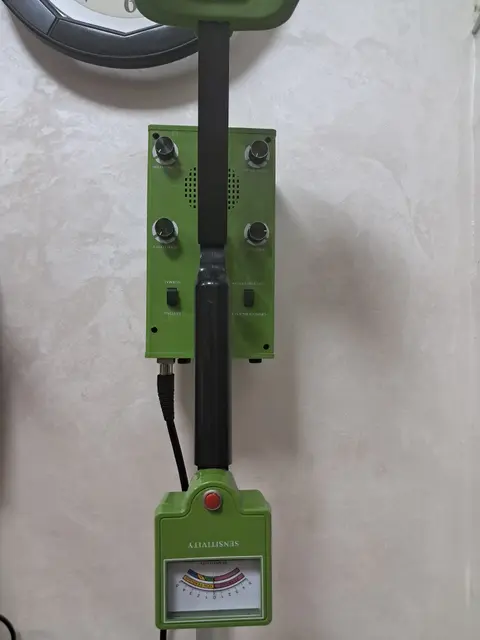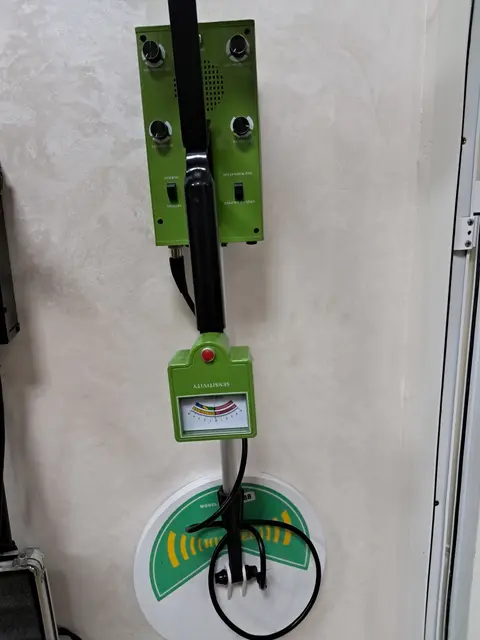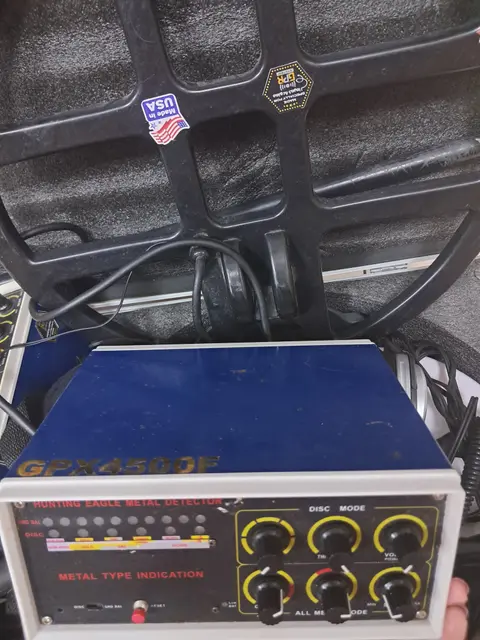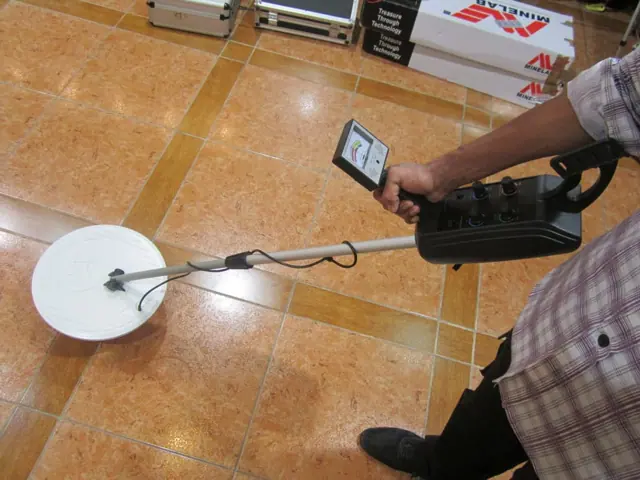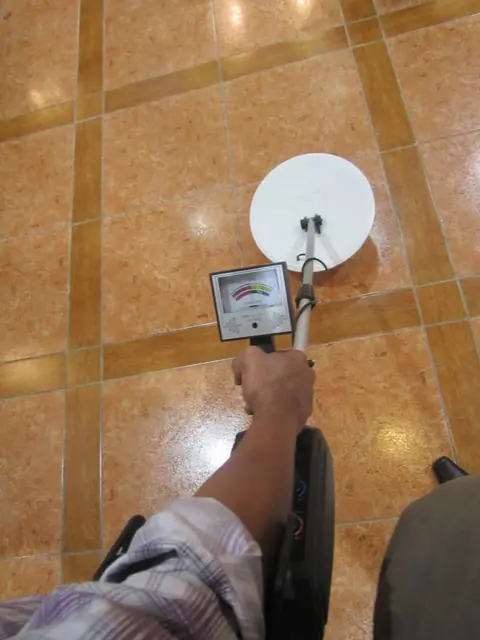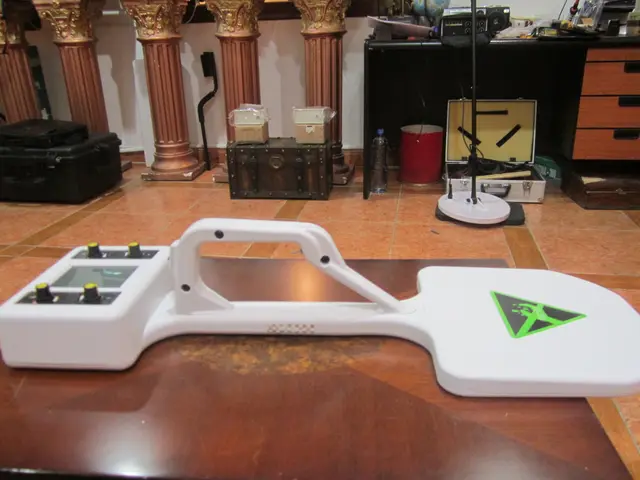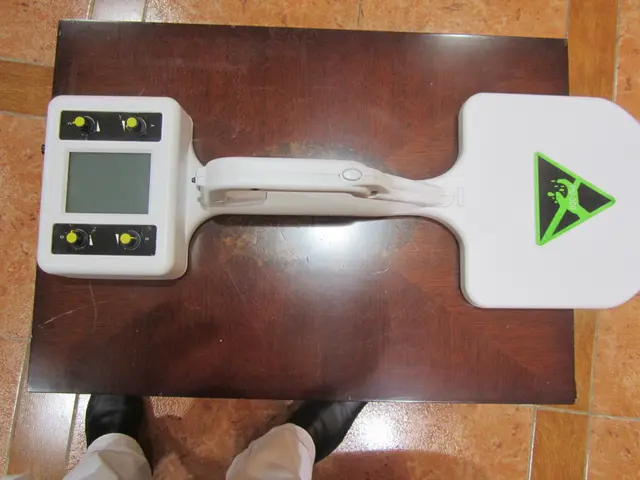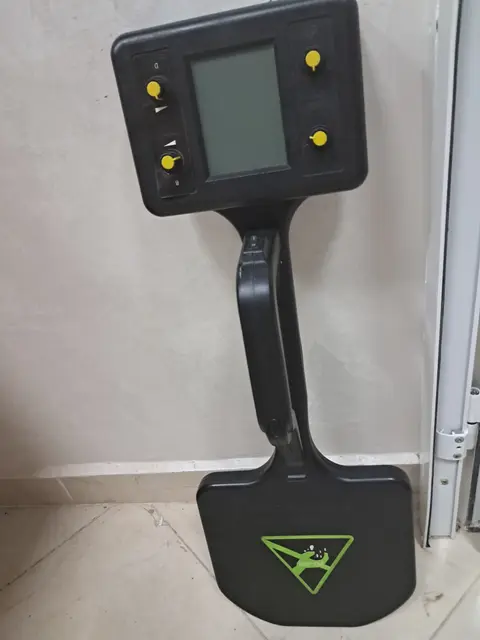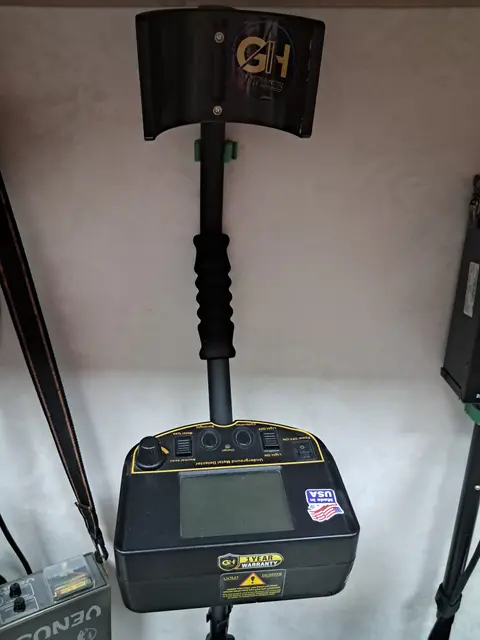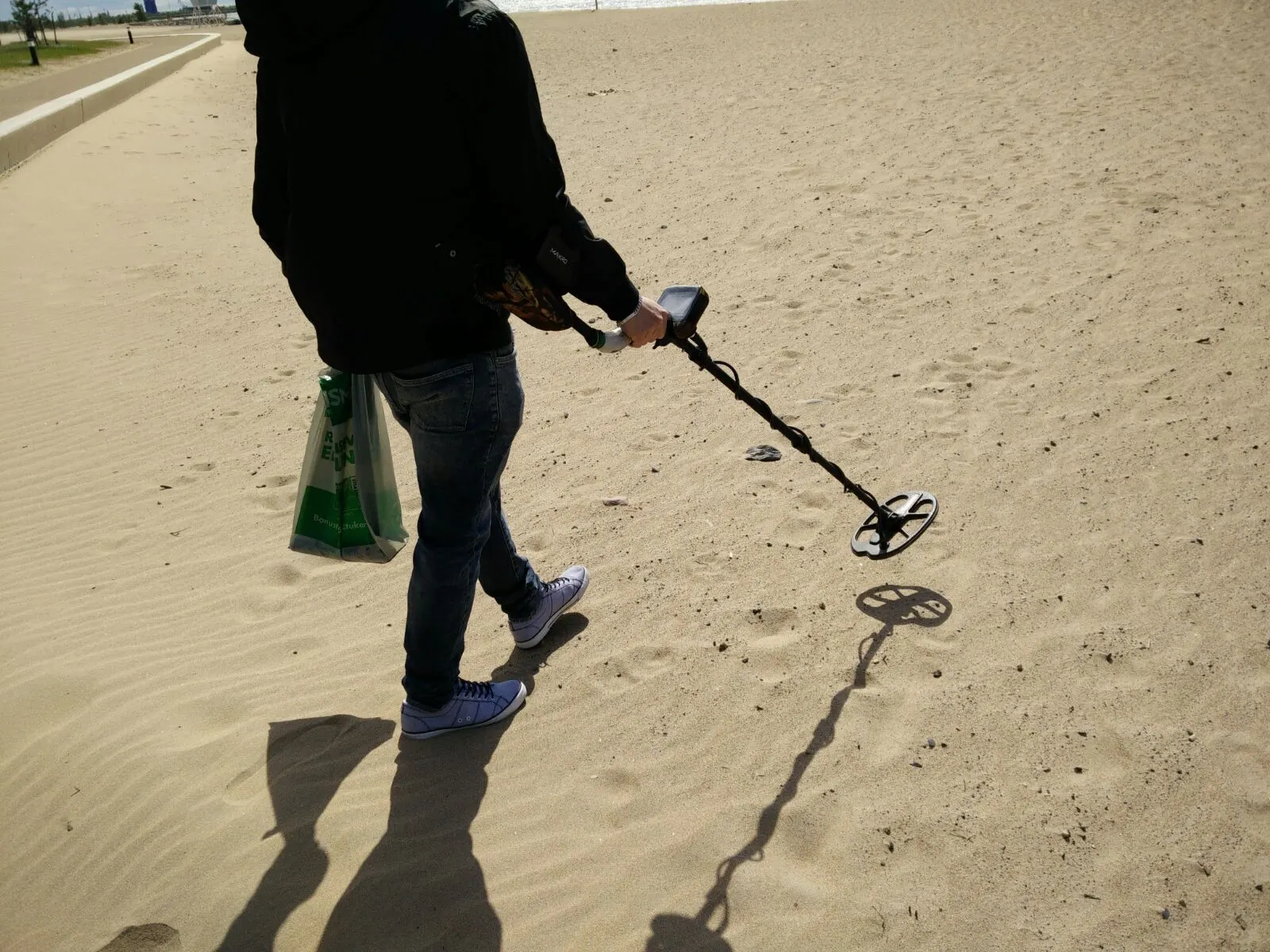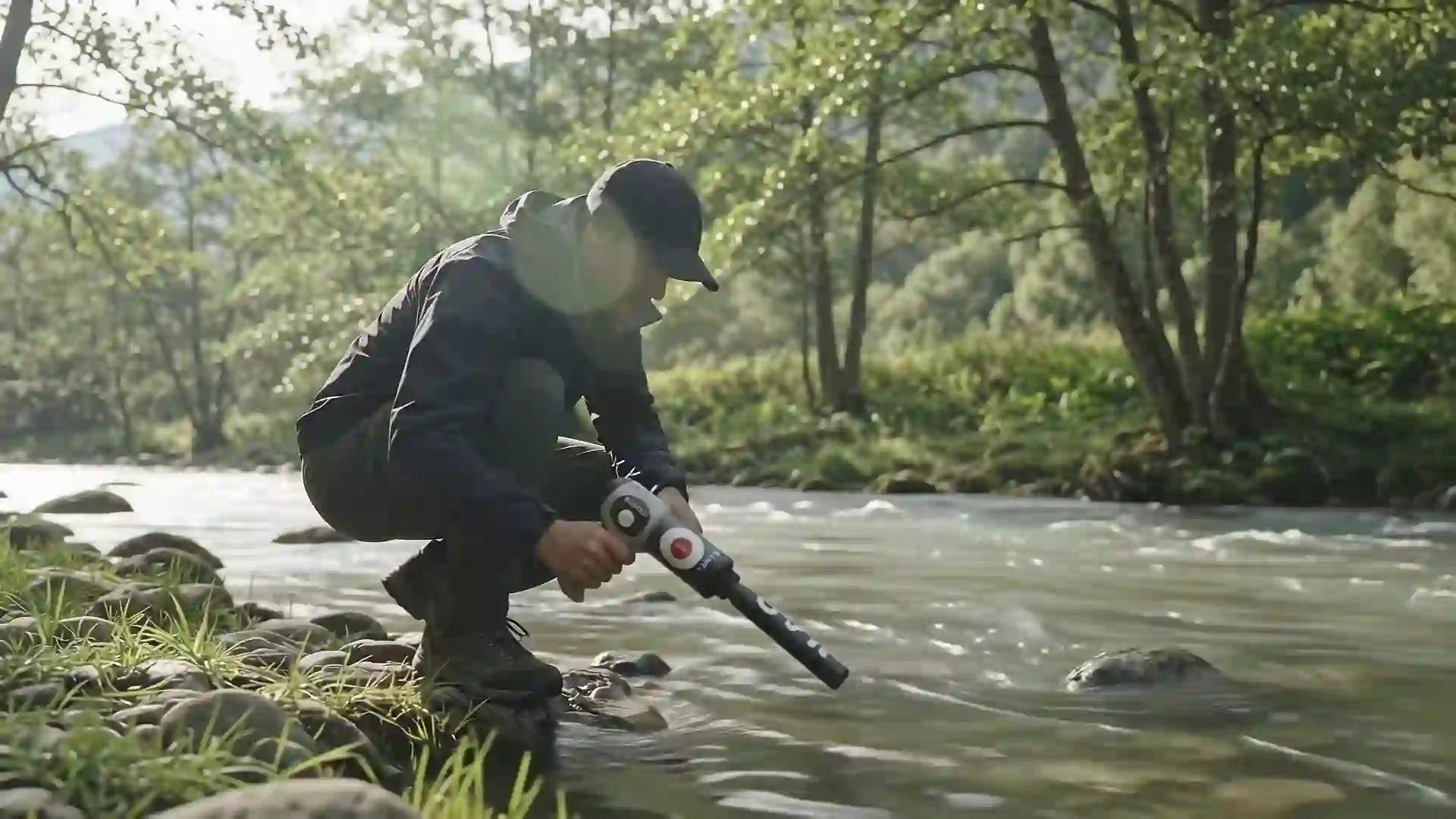
A detector is a precision instrument that we use in dust, sun, sand and sometimes salt water. A few minutes of care after each outing prevent most breakdowns. Here is the routine our technicians recommend.
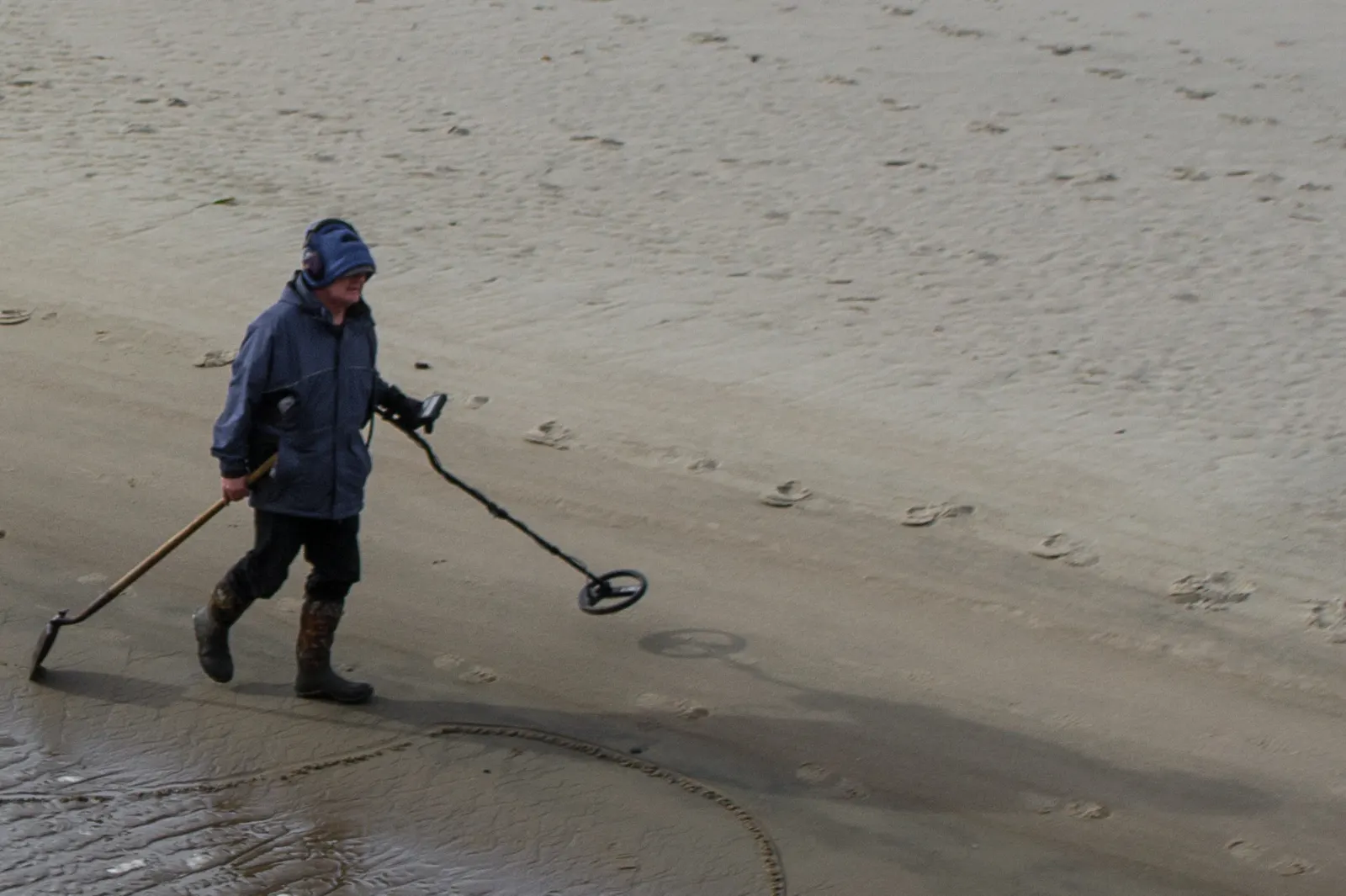
After every outing
- Wipe the detector with a soft, slightly damp cloth. Never use solvents or strong detergents on the screen or the control box.
- Clean the coil and the skid plate. Sand and mud trapped between the coil and its protective cover add weight and can wear the coil.
- Check the shaft locks. Open and clean the cam locks or twist locks so sand does not grind the tubes.
- Inspect the cable where it enters the control box and the coil: these are the points that bend most.
- Let everything dry before storing it in a bag or case.
After the beach or salty ground
Salt is corrosive. If your detector and coil are waterproof, rinse the coil, the shaft and the connectors with fresh water, then dry them. If only the coil is waterproof, keep the control box away from water and wipe it carefully. Rinse your headphones’ connector as well if they were exposed.
Batteries
- Built-in lithium batteries: avoid leaving them completely empty for weeks. For long storage, keep them about half charged, in a cool place.
- Rechargeable AA (NiMH): use a good charger and replace cells that no longer hold their charge.
- Alkaline AA: always remove them before storing the detector. A leaking battery can destroy the battery compartment and the electronics.
- Carry spare batteries or a power bank compatible with your model.
- Never charge a detector in a closed car in the sun.
Heat and sun
Moroccan summers are hard on electronics and plastics. Do not leave the detector in a car or in direct sunlight during breaks. A screen that becomes dark or a detector that becomes unstable in the heat usually returns to normal once cooled, but repeated overheating shortens its life.
Coil and cable
- Always keep a skid plate on the coil. It is cheap and replaceable; the coil is not.
- Wind the cable around the shaft without tension, with a little slack near the coil so it can move when the coil tilts.
- Avoid hitting stones with the coil. A crack can let in water and make the coil unstable.
- If the detector becomes noisy only when you move the cable, the cable or its connector is probably damaged.
Connectors, headphones and accessories
Keep connectors clean and dry, and fit the protective caps when nothing is plugged in. For wireless headphones, charge them fully after each outing and store them away from moisture. Pinpointers need the same care: rinse after salty conditions and remove the battery for long storage.
Storage
- Store the detector dry, clean and disassembled if it is long, in its bag or case.
- Keep it away from heat sources, direct sunlight and strong magnetic fields.
- Do not store heavy objects on top of the coil.
Software updates
Many modern detectors receive firmware updates that improve stability, add modes or fix faults. Check the manufacturer’s website from time to time, and follow the instructions exactly: never disconnect the detector during an update.
Quick troubleshooting
| Symptom | Likely cause | What to try |
|---|---|---|
| Constant noise | Interference, mineralised ground, sensitivity too high | Noise cancel, ground balance, lower sensitivity, move away from power lines |
| Noise when the cable moves | Damaged cable or loose connector | Check and tighten the connector; have the cable inspected |
| Sudden loss of depth | Weak batteries, wrong ground balance | Replace batteries, rebalance |
| Detector does not start | Empty or reversed batteries, corroded contacts | Check polarity, clean contacts gently |
If a problem persists, contact us: many issues are settings that we can fix remotely. See our warranty and after-sales policy.
Summary
Clean after each outing, rinse after salt, look after the batteries, protect the coil and the cable, and store the detector dry and cool. These habits cost a few minutes and keep your equipment reliable for years. Our ground balance guide helps when the detector seems unstable for no reason.