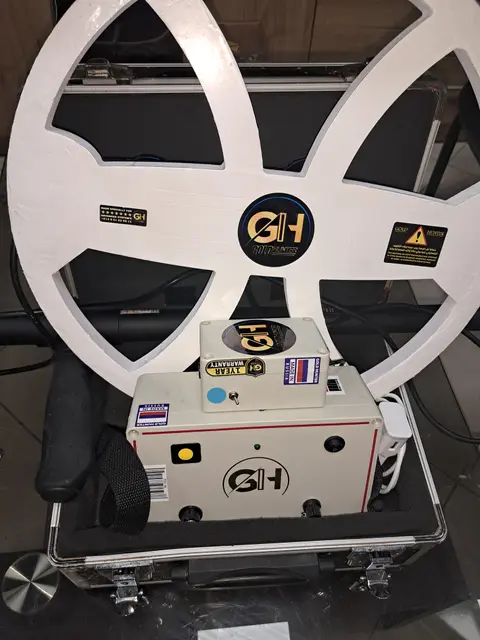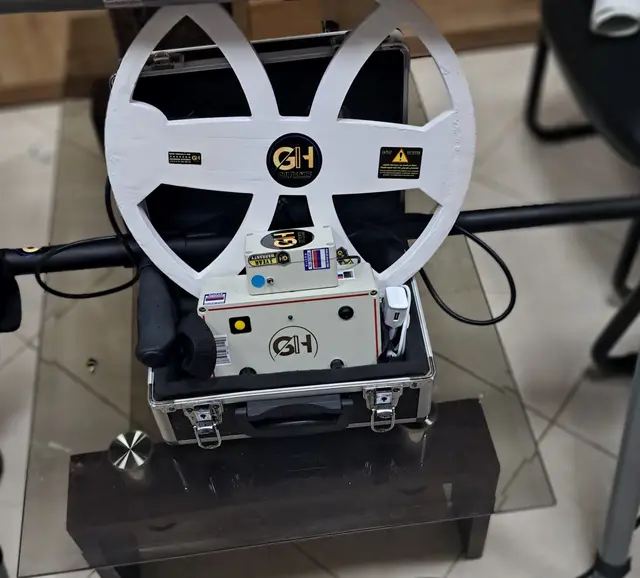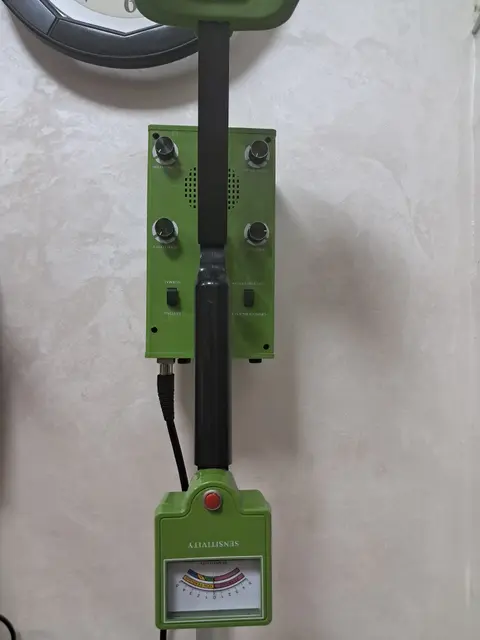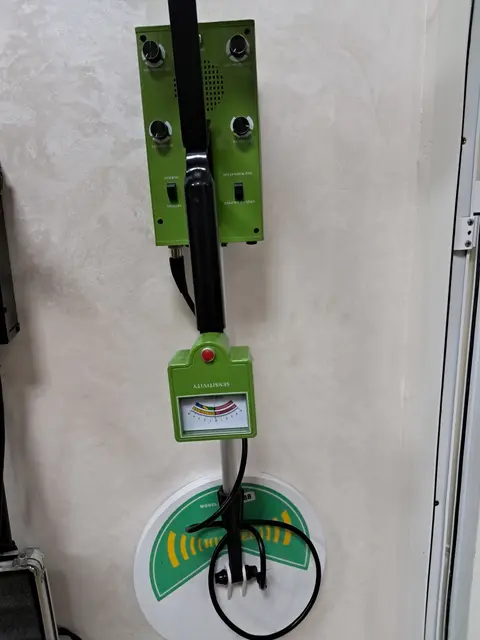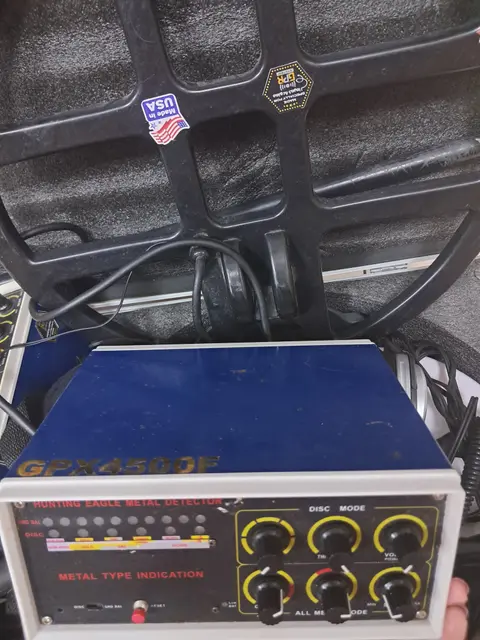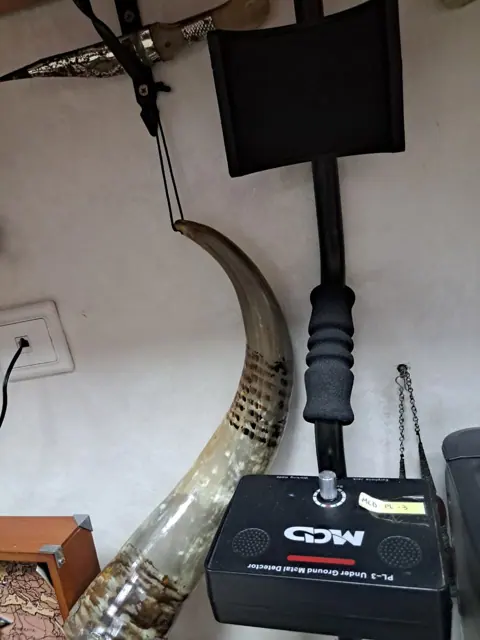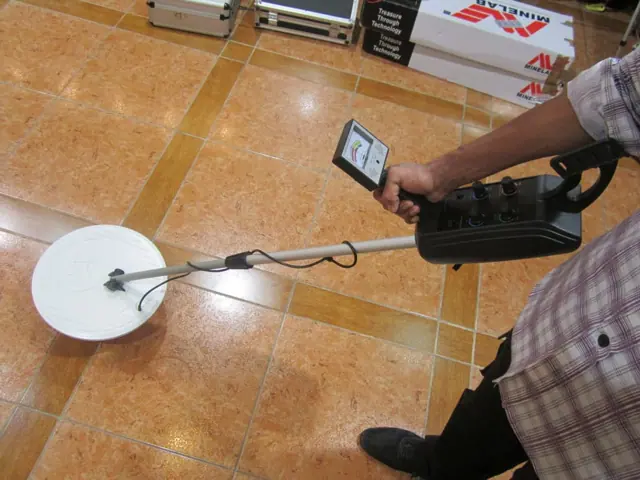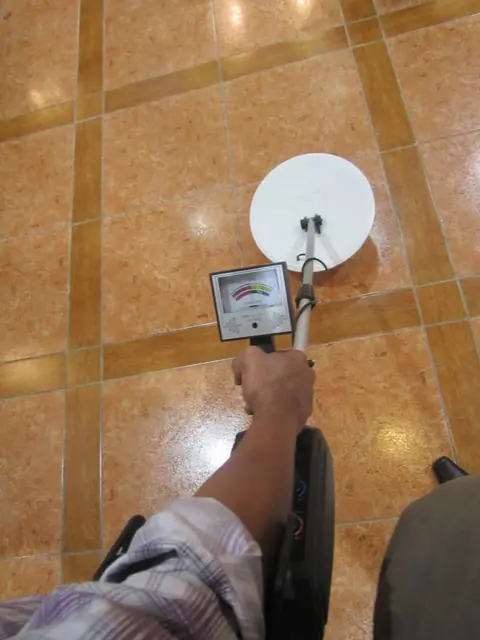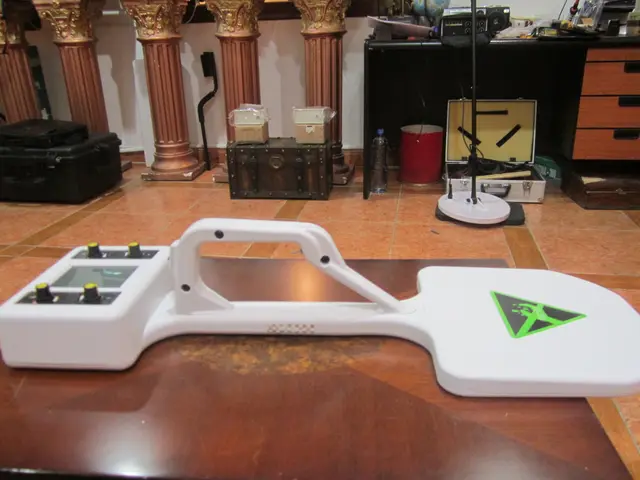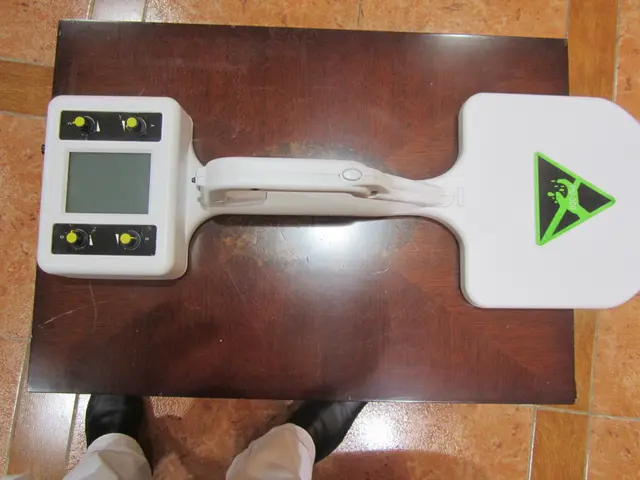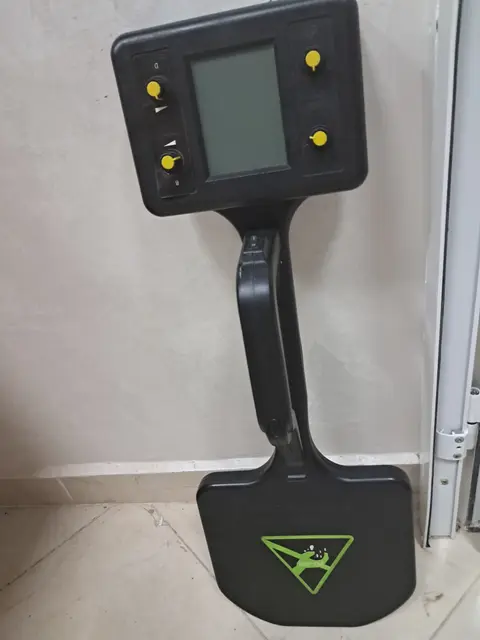
Buying a detector is easier when you start from the ground you will search and the target you hope to find, not from a brochure. This guide walks through the five questions we ask every client in our showrooms, in the order that matters.
1. What are you looking for?
Every technology is a compromise. A device that is excellent for small gold nuggets is rarely the best choice for a large, deep object, and the reverse is also true.
- Gold nuggets and small objects: small, low-conductivity targets need a sensitive detector, usually a high-frequency VLF or a pulse-induction (PI) machine built for gold.
- Coins, jewellery and relics: a general-purpose VLF or multi-frequency detector with good target identification lets you ignore iron and dig the right signals.
- Large or deep targets (caches, metal boxes, pipes): big coils, deep-seeking PI detectors and ground-imaging systems cover more depth, at the cost of small-target sensitivity.
- Cavities, voids and water: these are not metal. They call for ground imaging, resistivity or water-finding devices, not a classic metal detector.
Write your main target on a piece of paper before you compare anything. If you have two targets, pick the one you will search most often.
2. What is your ground like?
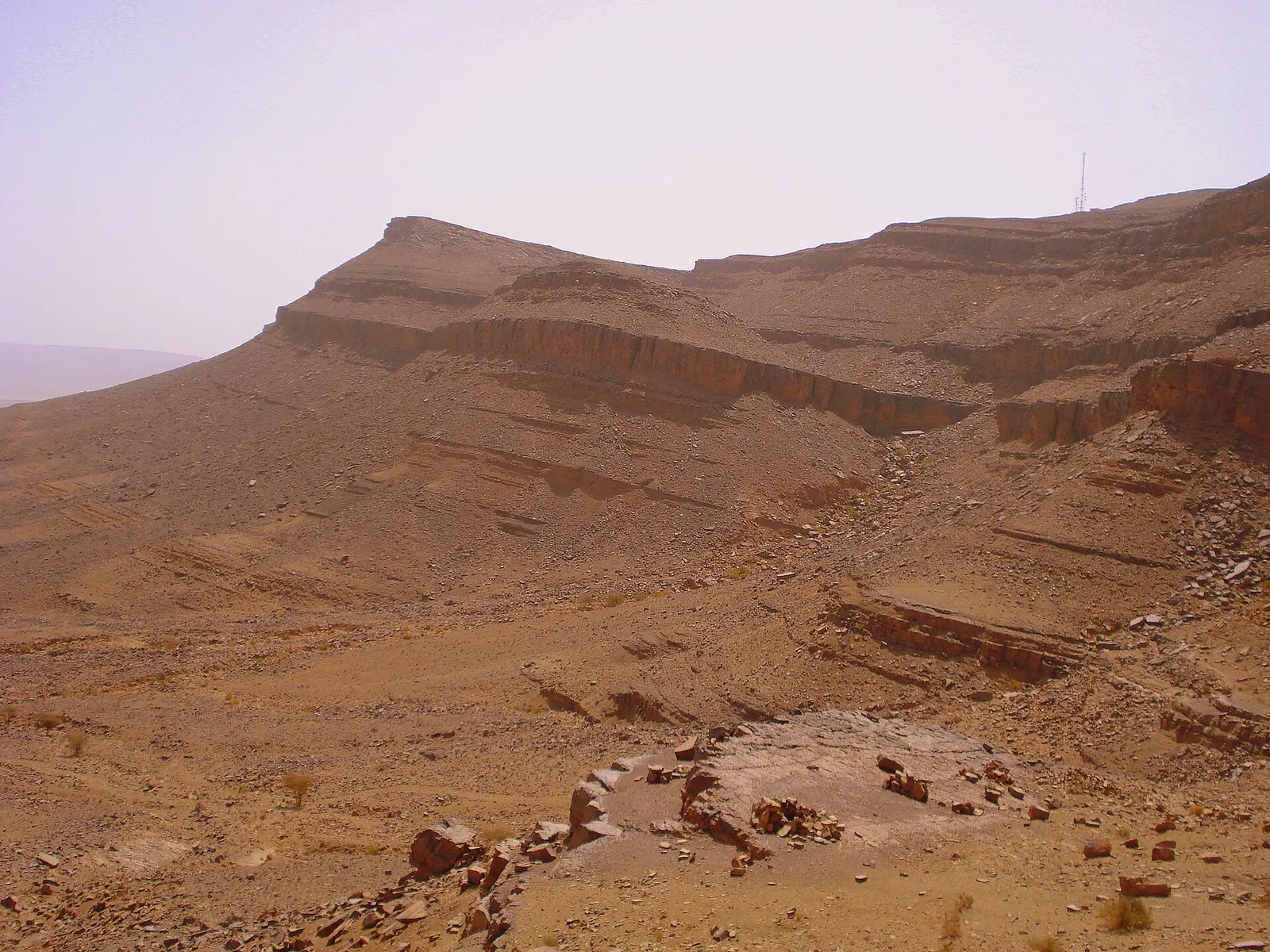
Moroccan terrain varies enormously, and the ground is often the biggest factor in performance.
- Mineralised soil: the red soils and dark ironstone found in many parts of the Atlas and the south contain iron oxides that produce signals of their own. A VLF must be ground-balanced carefully; a PI detector handles these soils better. Read our guide to ground balance and mineralised soil.
- Dry sand and desert: usually easy for detectors and very good for ground-penetrating radar.
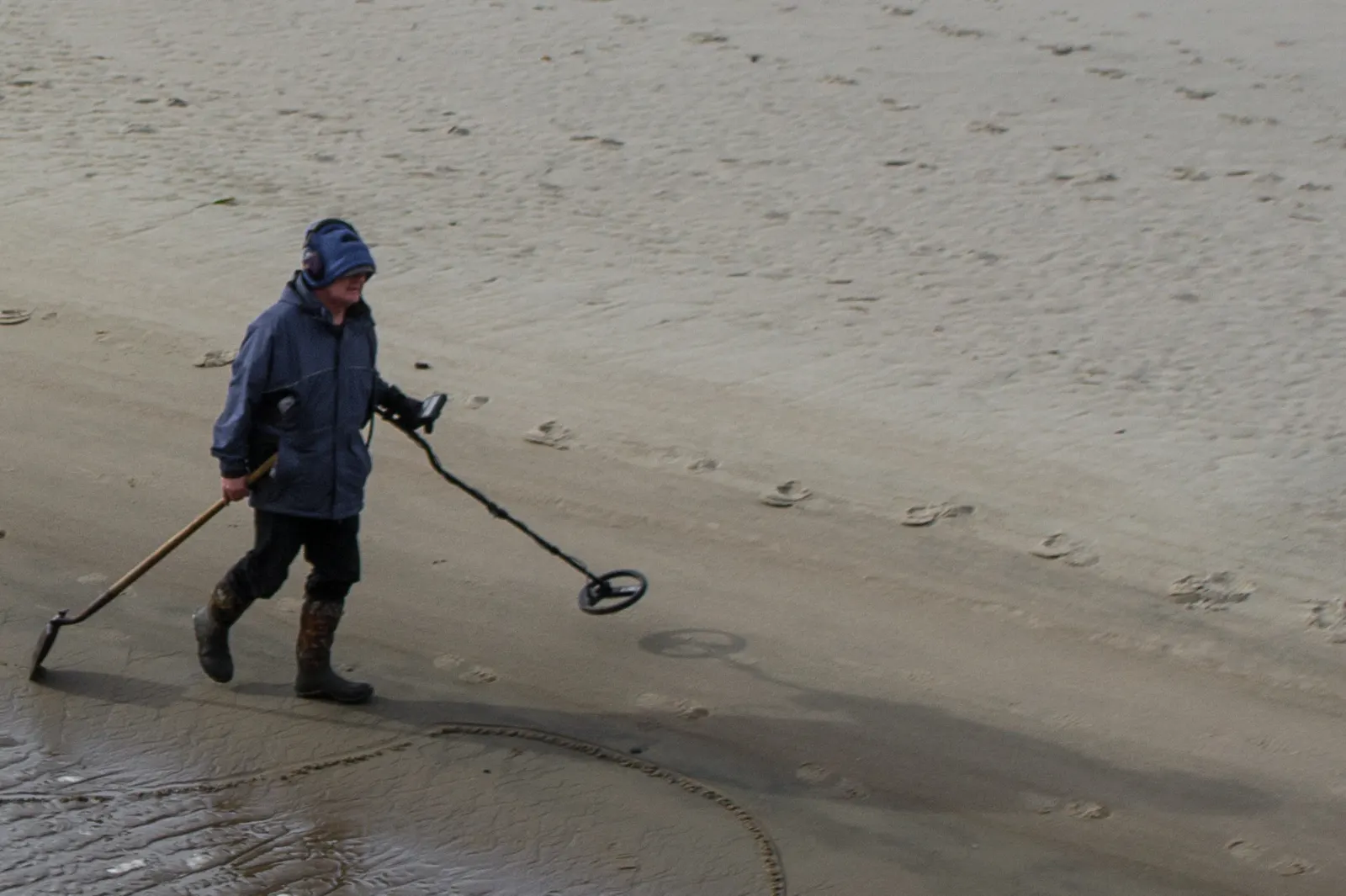
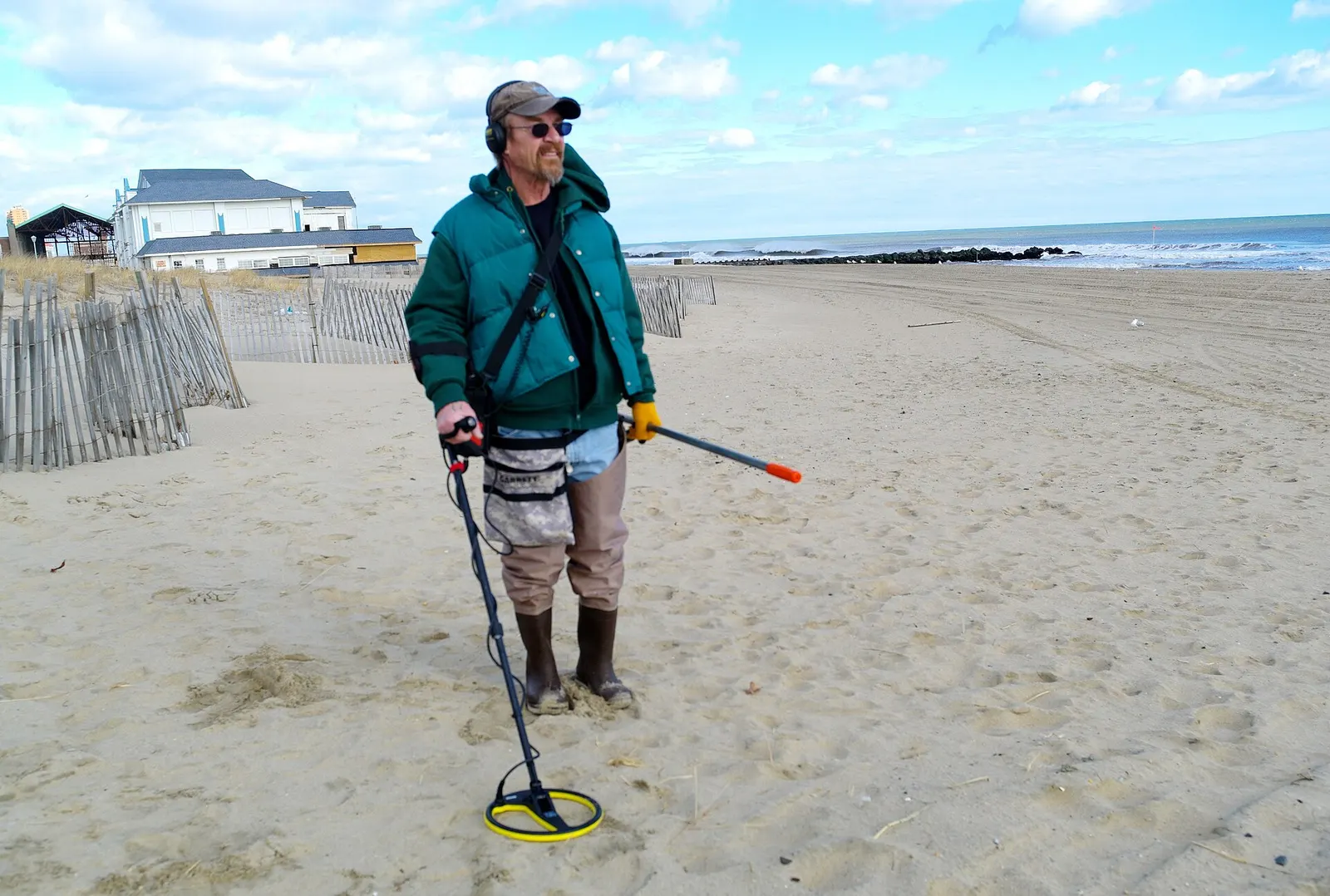
- Wet beaches and salty soil: salt water is conductive. Multi-frequency and PI detectors cope best.
- Rocky, steep terrain: weight and balance matter more than a few centimetres of depth.
3. How deep do you really need to go?
Depth figures in advertising are measured on large targets in ideal conditions. Two physical facts are worth knowing:
- Target size rules depth. The detector’s field weakens very quickly with distance: doubling the distance to a target reduces the returning signal many times over. A coin and a metal box at the same depth produce completely different signals.
- Coil size is a trade-off. A larger coil reaches deeper on large targets and covers more ground per sweep, but it is less sensitive to tiny targets and harder to use between rocks.
As a rough rule, a conventional detector finds a coin-sized target at a depth close to the diameter of its coil. If you need several metres, you are no longer looking for small objects, and you should consider deep-seeking systems or ground imaging.
4. Which technology fits?
| Technology | Best for | Limits |
|---|---|---|
| VLF (single frequency) | Coins, jewellery, small gold at high frequency; good discrimination | Sensitive to mineralised and salty ground |
| Multi-frequency | All-round use, beaches, varied soils | Less specialised than a dedicated gold machine |
| Pulse induction (PI) | Mineralised ground, salt water, deep targets | Weaker discrimination; picks up iron |
| Ground imaging and 3D | Large targets, cavities, structures | Needs method and interpretation; not for small objects |
| Long-range systems | Scanning wide areas before a closer search | Ranges are manufacturer figures; always confirm with a conventional detector |
Our article on VLF versus pulse induction explains the difference in detail.
5. Weight, battery and comfort
You may swing a detector thousands of times in a day. Before buying, check:
- Weight and balance: hold the detector at arm’s length for a minute. A device that feels light in the shop can be tiring after three hours.
- Batteries: built-in lithium batteries are convenient; AA batteries can be replaced in the field. Ask how long a charge lasts in real use.
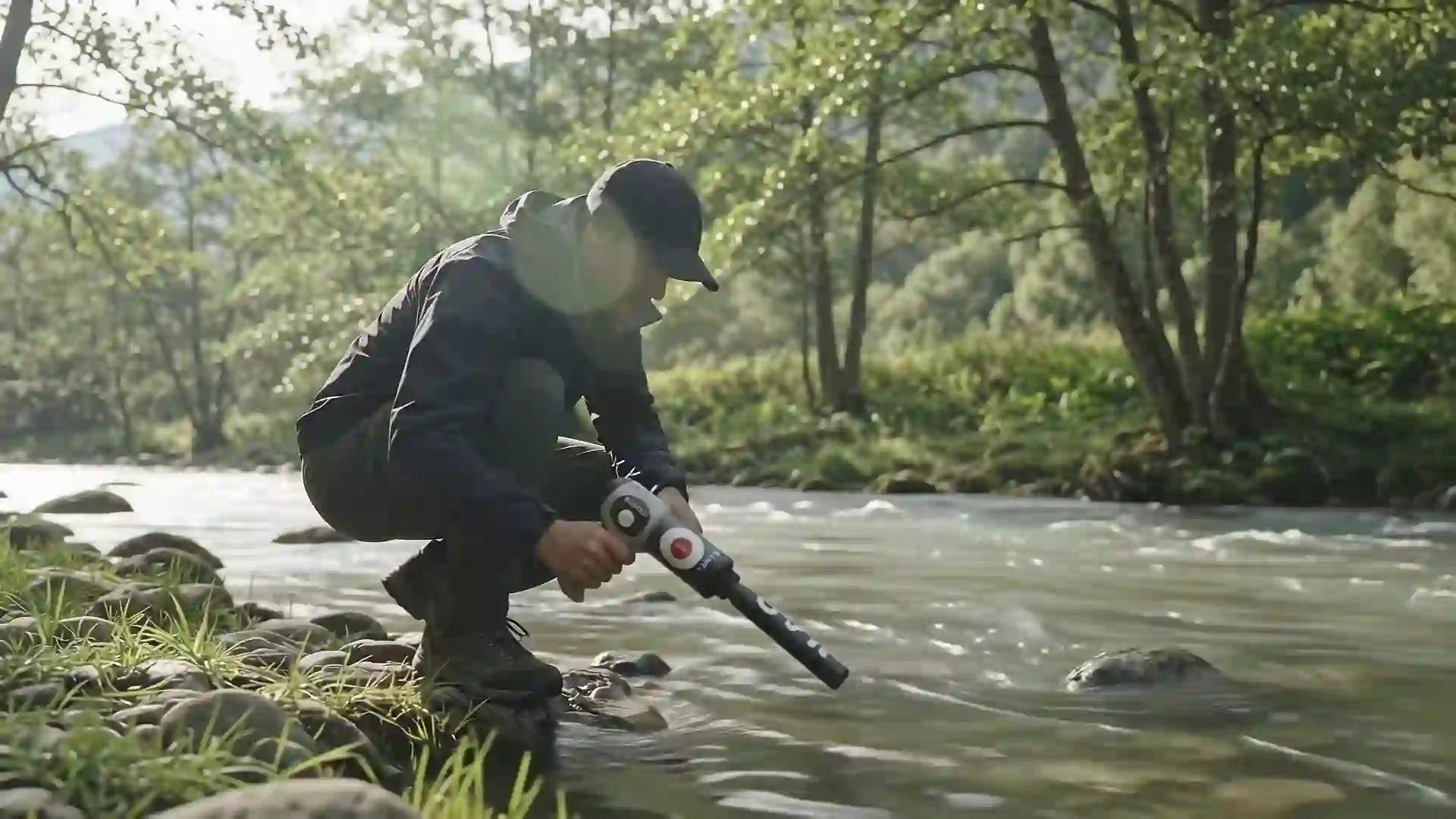
- Waterproofing: a waterproof coil is standard; a fully submersible detector is only needed for streams and beaches.
- Screen and language: a clear screen in sunlight and a menu you understand save hours of frustration.
- Headphones: they reveal faint signals and save battery. Wireless headphones are comfortable but add latency on some models.
Budget: where to spend and where not to
Spend on the technology that matches your ground and target; save on accessories you do not need yet. A mid-range detector used with good technique finds more than an expensive one used badly. Keep part of your budget for a pinpointer, a sturdy digging tool and spare batteries: they change your day in the field more than an extra centimetre of depth.
The mistakes we see most often
- Choosing by the maximum depth printed on the box.
- Buying a small-gold detector to search for large objects, or the reverse.
- Ignoring mineralisation, then blaming the detector for false signals.
- Skipping the learning phase. Spend your first outings on known targets buried in your garden to learn the sounds.
- Forgetting the law. Read what the law says about detecting in Morocco before you dig.
Summary
Start from your target, then your ground, then the depth you realistically need. Choose the technology that fits those three answers, and a weight you can carry all day. If you are unsure, send us a photo of your terrain and your target on WhatsApp: we will narrow the choice down to two or three devices and explain the differences.